
A Safer, Low-Maintenance Surface for Active Kids
synthetic grass installation for playgrounds and schools creates a soft, durable surface where kids can run and play safely. It replaces natural grass and dirt with turf designed for heavy foot traffic. When installed the right way, it drains well, reduces mud, and helps cushion falls. For schools that want less maintenance and more usable play space, artificial turf is often a smart long-term solution.
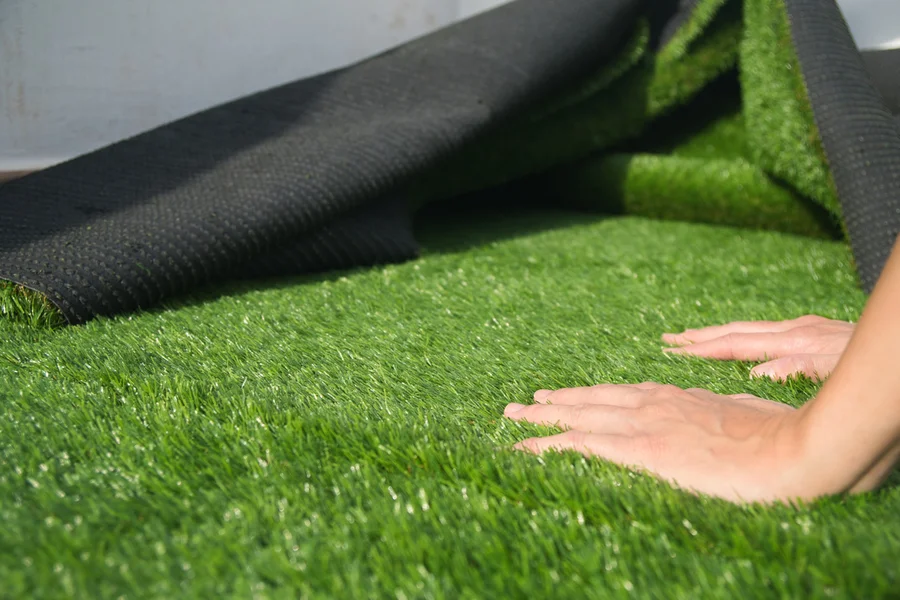
What You Need Before Starting
Before starting a synthetic grass installation, you need a clear plan. Schools and playground managers should review space size, safety needs, and drainage. Many areas also require fall protection padding under the turf to meet playground safety rules.
You will typically need:
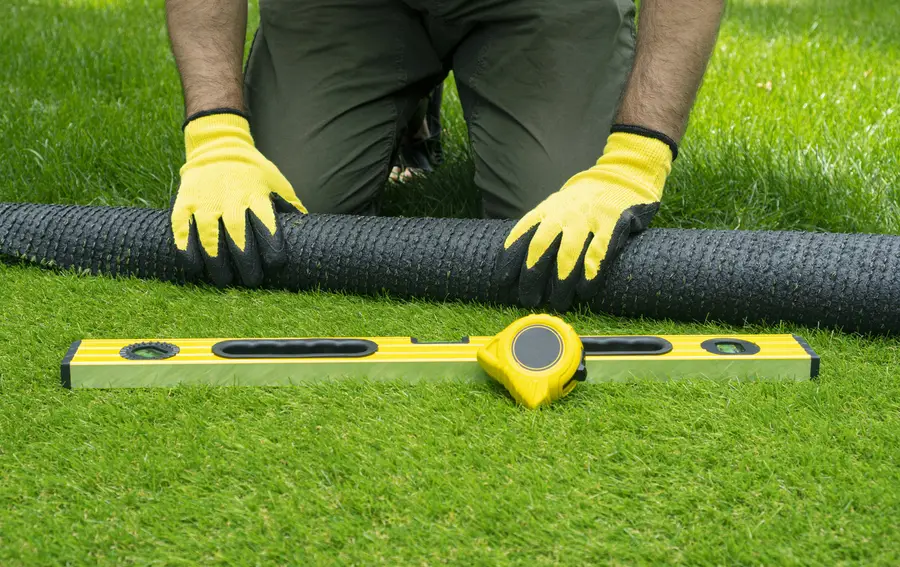
- Accurate site measurements
- Drainage plan for rain and irrigation runoff
- Weed barrier fabric
- Crushed stone or aggregate base
- Shock-absorbing pad for safety zones
- Playground-safe turf material
Check local building codes and school district guidelines before work begins. Some areas require specific fall height ratings for playground surfaces.
Step-by-Step Installation Process
Proper synthetic grass installation follows a clear sequence. Skipping steps can lead to uneven surfaces or drainage problems.
- Remove existing surface. Clear natural grass, roots, rocks, and debris.
- Excavate the area. Dig down several inches to make room for the base.
- Install base material. Add and compact crushed stone for stability.
- Add a weed barrier. This helps stop unwanted growth under the turf.
- Install shock pad. In playground zones, this layer helps reduce injury from falls.
- Roll out the turf. Cut it to fit around play equipment and edges.
- Secure seams and edges. Use adhesive and landscape stakes where needed.
- Add infill. Brush infill into the fibers for weight and support.
Each step helps create a smooth and safe finished surface. Compaction of the base is one of the most important parts of the process.
Common Mistakes to Avoid
Many playground issues come from poor preparation. One common mistake is not installing enough base material. Without a solid foundation, the turf can shift or sink over time.
Another mistake is ignoring drainage. Schools often have large open areas that collect water. Without proper slope and drainage design, puddles can form under or around the turf.
Using the wrong turf product is also a problem. Playground turf needs to handle constant foot traffic. It must also work with impact-absorbing padding if children are climbing and jumping nearby.
Finally, poor seam work can create visible lines or tripping hazards. Careful cutting and fastening prevent these problems.
When to Call a Professional
Small decorative turf areas may be manageable for a maintenance team. Large playgrounds and school campuses are different. These projects require equipment, grading experience, and knowledge of safety standards.
You should contact a professional if:
- The area is larger than a few hundred square feet
- Play structures require fall zone compliance
- Drainage issues already exist
- The ground is uneven or sloped
- Local codes require certified installation
An experienced team can handle heavy equipment, base compaction, and proper seam alignment. They can also help schools select turf that matches safety and durability needs. Working with a qualified synthetic grass installation company reduces the risk of costly repairs later.
Final Recommendation and Next Steps
synthetic grass installation gives playgrounds and schools a cleaner, safer space for daily use. It reduces mud, lowers maintenance time, and provides consistent play conditions year-round. For campuses in Visalia, CA, weather changes and heavy student traffic can wear down natural grass quickly. At Synthetic Grass Solutions Visalia, we handle playground and school turf projects from start to finish with safety and durability as our priority. If you are planning an upgrade or new play area, call us at (559) 402-3568 and we will help you choose the right solution for your campus.